
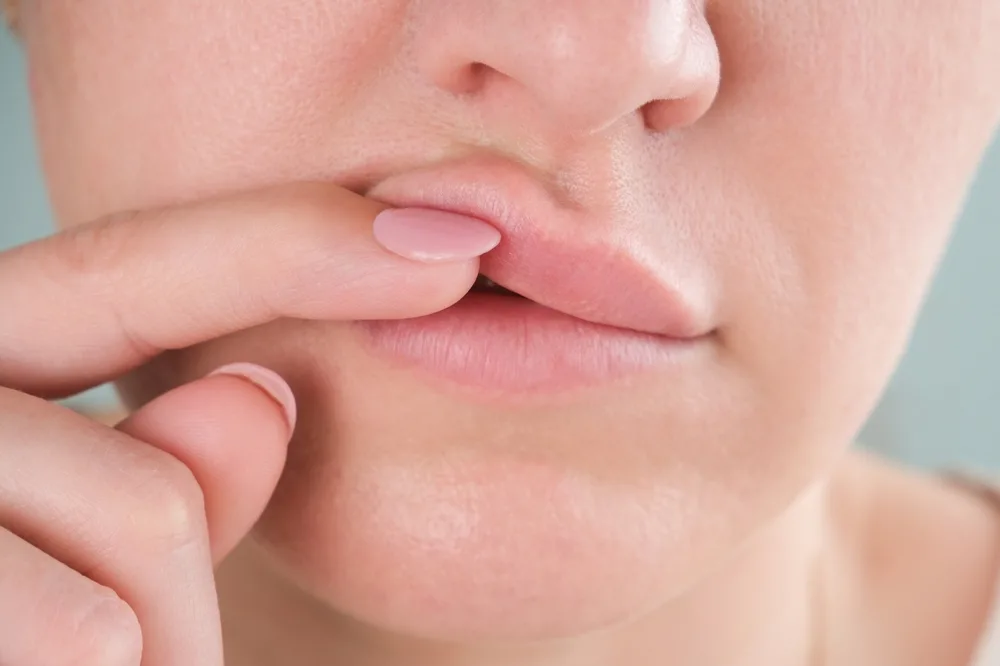
Lip fillers are one of the most popular cosmetic treatments in the world, and for good reason. They can add volume, enhance shape, and create a more youthful, balanced appearance. However, as with any cosmetic procedure, there are potential side effects, and two of the most commonly discussed are swelling and migration.
If you’ve recently had lip fillers and are concerned about the appearance of your lips, you may be asking yourself: is it lip filler migration or swelling? Understanding the difference between these two phenomena is crucial for your peace of mind and for knowing when to seek professional advice.
At Elegance Aesthetics, we believe that a well-informed client is a happy client. This guide will provide a clear, side-by-side comparison of swelling or migration lip filler, helping you to identify the signs of each. We’ll explore the causes, timelines, and solutions for both, so you can feel confident and in control of your lip filler journey.
Understanding Normal Lip Filler Swelling
Swelling is a completely normal and expected part of the lip filler healing process. In fact, it’s a sign that your body is responding to the treatment. When the filler is injected, it creates a small amount of trauma to the tissue, which triggers an inflammatory response. This response involves increased blood flow and fluid accumulation in the area, which leads to swelling.
The Lip Filler Swelling Stages
The lip filler swelling stages typically follow a predictable pattern:
- Immediately after treatment: Your lips will likely be quite swollen and may feel tender. This is the peak of the initial swelling.
- 24-48 hours after treatment: The swelling may increase slightly before it begins to subside.
- 3-5 days after treatment: The swelling will start to go down noticeably. You may still have some residual puffiness, but your lips will begin to look more like their final shape.
- 1-2 weeks after treatment: The majority of the swelling should be gone, and you will be able to see the true results of your lip filler treatment.
It’s important to remember that everyone heals differently, and your individual experience may vary. However, if your swelling is accompanied by severe pain, heat, or discoloration, you should contact your injector immediately, as this could be a sign of a more serious issue.
Bruising is another common side effect that can accompany swelling. Like swelling, bruising is a normal response to the injections and should resolve within 1-2 weeks. Applying a cold compress to the area in the first 24 hours can help to minimize both swelling and bruising.
Identifying Lip Filler Migration
Lip filler migration is a less common but more concerning issue. It occurs when the filler moves from the area where it was injected to another part of the lip or the surrounding skin. This can result in a less defined lip border, a puffy or unnatural appearance above the upper lip, or lumps and bumps in the lips.
What Causes Migrated Lip Filler?
There are several factors that can contribute to migrated lip filler. Poor injection technique is the most common cause. If the filler is injected too superficially, in the wrong plane of the tissue, or if too much filler is used in one area, it is more likely to move. The type of filler used also matters; some fillers have a thinner consistency and are more prone to migration than others. It is important to choose a provider who uses high-quality, FDA-approved fillers that are appropriate for the lips.
Overfilling is another significant contributor. If the lips are overfilled, the filler may not have enough space to settle properly and can be forced into the surrounding tissue. This is why a conservative approach to lip filler is always recommended, particularly for first-time patients. Individual anatomy can also play a role, as some people may be more prone to migration due to the structure of their lips and the way they move when speaking or eating.
Lip Filler Migration or Swelling: The Key Differences
So, how can you tell the difference between lip filler swelling or migration? Here are the key things to look for.
Appearance:
- Swelling: The entire lip will appear puffy and enlarged, but the shape of the lip will generally be maintained. The swelling will be soft and uniform.
- Migration: You may notice a lack of definition in the lip border, a puffy or shelf-like appearance above the upper lip, or hard lumps or bumps in the lips.
Timeline:
- Swelling: Swelling is most prominent in the first few days after treatment and gradually subsides over 1-2 weeks.
- Migration: Migration can occur weeks, months, or even years after the initial treatment. It is not a part of the normal healing process.
Location:
- Swelling: The swelling will be confined to the lips themselves.
- Migration: The filler may move outside of the lip border, into the area above the upper lip or below the lower lip.
Feel:
- Swelling: Swollen lips will feel soft and squishy, similar to how a bruise feels.
- Migration: Migrated filler can sometimes feel like a firm ridge or lump above or below the lip line.
What to Do if You Suspect Migration
If you are concerned that you may have migrated lip filler, the first step is to contact a qualified and experienced injector. They will be able to assess your lips and determine whether migration has occurred. If it has, the good news is that it can be corrected. The most common treatment for migrated filler is to dissolve it using an enzyme called hyaluronidase. This enzyme breaks down the hyaluronic acid in the filler, allowing your body to absorb it naturally.
Once the migrated filler has been dissolved, you can then have your lips refilled by a skilled injector who can create the beautiful, natural-looking results you desire. It is important to wait until the dissolving enzyme has fully cleared before having new filler injected, which typically takes 2-4 weeks. This ensures a clean slate and the best possible outcome for your new treatment.
The Importance of Choosing a Skilled Injector
The best way to prevent lip filler migration is to choose a highly skilled and experienced injector. At Elegance Aesthetics, our team of expert injectors has a deep understanding of facial anatomy and the art of lip enhancement. We use only the highest quality, FDA-approved fillers and take a conservative approach to ensure that your results are both beautiful and natural-looking.
We will work with you to create a personalized treatment plan that is tailored to your unique goals and anatomy. We will also provide you with detailed aftercare instructions to help you minimize swelling and ensure a smooth and successful recovery. Your safety and satisfaction are our top priorities.
If you are considering lip fillers or are concerned about a previous treatment, we invite you to schedule a consultation with us. We will be happy to answer your questions, address your concerns, and help you achieve the beautiful, confident smile you deserve. Contact Elegance Aesthetics today.
FAQs
How long does lip filler last?
The longevity of lip filler depends on the type of filler used and your individual metabolism. On average, hyaluronic acid fillers last for 6-12 months.
Can migrated lip filler be fixed?
Yes. Migrated lip filler can be corrected by dissolving it with an enzyme called hyaluronidase. Once dissolved, new filler can be placed correctly by a skilled injector.
How can I reduce swelling after lip fillers?
To reduce swelling, apply a cold compress to your lips, avoid strenuous exercise for 24-48 hours, and sleep with your head elevated. Avoiding salty foods and alcohol in the first few days can also help.
Is it normal to have lumps after lip filler?
It is common to have some small lumps or bumps in the first few days after treatment as the filler settles. However, if these lumps are hard, painful, or persist for more than two weeks, you should contact your injector.
How do I know if my injector is qualified?
Look for an injector who is a licensed medical professional, such as a nurse practitioner, physician assistant, or physician, with specific training in aesthetic injections. Ask about their experience, the products they use, and look for before-and-after photos of their work.
