
PRP Hair Restoration In Hampden, MD

PRP Hair Restoration provides a non-surgical solution if you have hair loss problems. This innovative treatment uses your body’s natural healing abilities to boost hair growth and density. PRP (Platelet-Rich Plasma) treatment takes essential proteins, platelets, and growth factors from your blood to refresh inactive hair follicles.
Our Hampden clinic achieves impressive results with hair loss concerns of all types. PRP hair treatment can restore your confidence whether you have male or female pattern baldness, stress-related hair thinning, or hair loss from autoimmune conditions like Alopecia Areata. The treatment works best when you catch hair loss early or want to improve your hair’s thickness and quality. We help you achieve visible hair regrowth through a simple three-step process without surgery or recovery time.
What is PRP Hair Restoration?
The science behind PRP Hair Restoration is the sort of thing i love – it’s straightforward yet remarkable. PRP (Platelet-Rich Plasma) therapy is a vital regenerative medical approach that employs your body’s natural healing components to stimulate hair growth and curb different types of hair loss.
How PRP is derived from your blood
The PRP treatment starts with a simple blood draw from your arm, as with a routine blood test. Medical staff places this small sample (typically 10-60 ml) in tubes containing an anticoagulant to prevent early clotting. The blood then undergoes centrifugation—a process that spins it at high speeds in a specialized machine to separate components based on their density.
The centrifugation process separates your blood into three distinct layers:
- The bottom layer containing red blood cells
- The middle “buffy coat” layer with concentrated platelets
- The top layer of platelet-poor plasma
The middle layer’s careful extraction yields platelets concentrated at 5-10 times their normal levels. This concentration is most important since studies show optimal tissue regeneration needs platelet concentrations two to six times higher than normal blood counts.
Why PRP is used in hair treatments
PRP works to restore hair because platelets contain many growth factors. These specialized proteins stimulate dormant hair follicles and extend the hair cycle’s growth phase when injected into the scalp.
The key growth factors in PRP that promote hair regrowth include:
- Fibroblast Growth Factor (FGF) – stimulates Wnt/β-catenin signaling
- Vascular Endothelial Growth Factor (VEGF) – improves blood supply to follicles
- Epidermal Growth Factor (EGF) – promotes stem cell renewal
- Insulin-like Growth Factor (IGF-1) – activates hair growth pathways
PRP are a great way to get safety benefits since it comes from your own blood. This eliminates risks of allergic reactions or transmissible diseases. Research strongly supports its effectiveness. A 2022 review found that PRP gets more and thus encourages more hair growth and thickness while protecting hair follicles from premature shedding. A 2020 review of 13 studies confirmed PRP increases hair thickness and density.
Our Hampden clinic’s core team follows standardized protocols to ensure the highest quality PRP preparation. This maximizes the concentration of these beneficial growth factors to achieve optimal results.
Who is a Good Candidate for PRP Hair Treatment?
The success of PRP Hair Restoration depends on choosing suitable candidates. Most people experiencing early to moderate hair loss see improvements, though results vary among patients.
Early signs of hair thinning
You should start PRP treatment as soon as you notice your hair thinning. Patients with recent hair loss show better results because their hair follicles remain active. PRP therapy can protect and strengthen your remaining follicles if you notice increased shedding, a receding hairline, or thinning spots. Your results will be more impressive if you address hair loss concerns early.
Male and female pattern baldness
People often seek PRP therapy to treat androgenetic alopecia, which we know as male or female pattern baldness. Men’s hair loss patterns show receding hairlines and crown balding. Women experience diffuse thinning across the scalp with wider hair parts. This genetic condition responds particularly well to PRP. Studies show it slows down hair loss and stimulates new growth in patients who didn’t see results from standard treatments like minoxidil and finasteride.
Hair loss due to stress or illness
PRP treatment works well for temporary hair shedding caused by stress, also called telogen effluvium. Psychological trauma, severe illness, surgery, childbirth, or major hormonal changes can trigger this condition. The treatment also helps people who lose hair because of poor nutrition or medication side effects. PRP’s regenerative qualities help restore follicles weakened by these temporary conditions.
Autoimmune-related hair loss
PRP therapy benefits people with alopecia areata, an autoimmune disorder that causes patchy hair loss. This condition occurs when white blood cells attack hair follicles, making them shrink and stop producing hair. Clinical studies show PRP’s anti-inflammatory and immunomodulatory properties help reduce this autoimmune response. A newer study showed that PRP increased hair growth by a lot and reduced burning sensations better than traditional treatments like triamcinolone acetonide.
What to Expect During Your PRP Hair Treatment in Hampden
Your PRP Hair Restoration appointment at Hampden takes about 45-60 minutes. The procedure is straightforward, and knowing what happens at each stage will help you prepare for this restorative experience.
Step 1: Blood draw and centrifugation
The treatment starts with a standard blood draw from your arm, just like a routine blood test. Your provider will collect 15-30ml of blood based on the specific protocol. This small sample contains everything needed for your individual-specific treatment.
The blood sample goes directly into a centrifuge machine. This device spins your blood at high speeds to separate different components by weight. The process takes about 10 minutes. You’ll move to a treatment room during this time while your provider prepares for the next steps.
Step 2: Preparing the PRP solution
The centrifugation creates three distinct layers in your blood:
- Bottom layer: packed red blood cells
- Middle layer: platelet-rich plasma (PRP)
- Top layer: platelet-poor plasma (PPP)
Your provider carefully extracts the middle layer with concentrated platelets. The target is a platelet concentration 2-6 times higher than normal blood levels. Some practices test a small sample to verify exact platelet concentration, though experts haven’t reached consensus on ideal levels.
Step 3: Injecting PRP into the scalp
Your provider applies a topical numbing agent to your scalp to keep you comfortable throughout the procedure. The PRP injections begin once your scalp becomes properly numb.
Each injection contains tiny amounts—about 0.05ml of PRP—allowing up to 120 injection sites in one session. These precise injections deliver growth factors right to your hair follicles that need stimulation most. The injection process takes just a few minutes.
The procedure ends with a gentle cleansing of treated areas. You can resume normal activities with minimal downtime.
Aftercare and Follow-Up for PRP Hair Restoration
Your PRP Hair Restoration treatment’s success depends on proper aftercare. The steps you take after your procedure will affect your results and recovery comfort.
Post-treatment care tips
Your scalp needs special attention right after your PRP session. The evening after treatment, a hot shower and gentle hair wash will help promote PRP’s effects. A pH-balanced shampoo should be your only choice for the first three days to keep your scalp’s natural balance. Your body needs at least 64 ounces of clean water daily to support healing and hair growth.
Your scalp might feel a bit sore after the procedure. Tylenol or other acetaminophen-containing products can help with any discomfort. Don’t apply ice to the injection area because it can interfere with the beneficial inflammation process.
What to avoid after your session
These activities and substances could affect your treatment’s success:
- Medications: Anti-inflammatory medications (Ibuprofen, Motrin, Aleve, Aspirin) should be avoided for 5-7 days as they disrupt healing.
- Physical activities: Vigorous exercise, sun exposure, saunas, and swimming should wait for at least 2 days.
- Hair products: Your hair shouldn’t have any products for at least 6 hours after treatment.
- Lifestyle factors: Stay away from alcohol, caffeine, and smoking for 3-7 days[172].
- Nutritional supplements: Stop taking Ginko Biloba, Garlic, Vitamin E, Vitamin A, and other anti-inflammatory nutrients for 3-7 days.
The treated area should not be touched or manipulated for at least 8 hours to avoid infection risks.
Scheduling follow-up appointments
PRP Hair Restoration works best with multiple treatments. Your first 3-4 sessions should be scheduled every 4 weeks. Maintenance injections every 6-9 months will help maintain results, depending on your hair loss rate[202].
Your progress needs regular monitoring through follow-up appointments. Your provider will check changes in your hair growth and density during these visits to ensure you get the best possible results.
Conclusion
Begin Your Hair Restoration Experience With Us
PRP Hair Restoration stands out as a breakthrough solution if you’re dealing with hair loss. In this piece, we’ve shown how this new treatment uses your body’s natural healing factors to help regrow hair follicles. The procedure gives you a non-surgical option that needs minimal recovery time and shows great results for hair loss of all types.
You’ll likely see changes after your third treatment, though some people notice improvements earlier. Our patients tell us they see thicker, stronger hair growth and better overall hair quality. On top of that, you can keep your results with just two simple touch-up sessions each year.
Science keeps backing up PRP’s effectiveness. The latest studies show 60-70% success rates when doctors choose the right patients. People love how natural their results look, with gradual improvement that doesn’t show obvious signs of treatment.
Our Hampden clinic puts your comfort and results first. We know how hair loss can shake your confidence and self-image. This drives our steadfast dedication to give you the best care during your treatment. We’d love to have you come in to see if PRP Hair Restoration fits your goals.
PRP stands apart from other hair loss treatments that need daily use or endless medication. Since the treatment uses your own blood components, bad reactions are very rare. Your path to fuller, healthier hair begins with one visit to our Hampden location.
Frequently Asked Questions
Got questions about PRP Hair Restoration in Hampden? Here are answers to common questions about this innovative hair regrowth treatment.
When will I see results from PRP treatment?
PRP hair therapy results develop gradually. You’ll likely notice visible changes within 3-6 months after starting treatment. Most patients see their best improvements around the 3-month mark. This timeline helps determine if you need additional sessions to achieve your ideal outcome. Studies have showed that PRP increases hair count and density a lot during this original period.
Is PRP hair treatment safe?
PRP treatments offer exceptional safety since they use your own blood components. This eliminates allergic reactions or adverse side effects. The procedure carries minimal risks that include possible infection at injection sites, temporary soreness, mild redness, or brief headaches. The treatment doesn’t work well for heavy smokers, people taking blood thinners, or patients with chronic infections or low platelet counts.
How many treatments will I need?
Most patients need an original series of three treatments 6-8 weeks apart. You’ll need maintenance treatments once or twice yearly afterward to maintain results and stop further hair loss. Your individual treatment plan might change based on your hair loss severity and your follicles’ response to the original treatments.
What does PRP hair treatment cost?
Our Hampden location’s PRP hair restoration sessions range from $500-$2500 per treatment. Your total cost depends on your treatment area’s size and required sessions. Insurance won’t cover PRP hair restoration because it’s a cosmetic procedure.
Will I experience downtime after treatment?
PRP hair treatment needs minimal recovery time. Most patients go back to their normal activities right after their appointment. You might feel mild soreness or notice redness where injections occurred, but these symptoms usually go away within 24 hours. You should skip washing your hair on your treatment day and stay away from harsh hair products for at least 6 hours after the procedure.
Reviews


Before & After

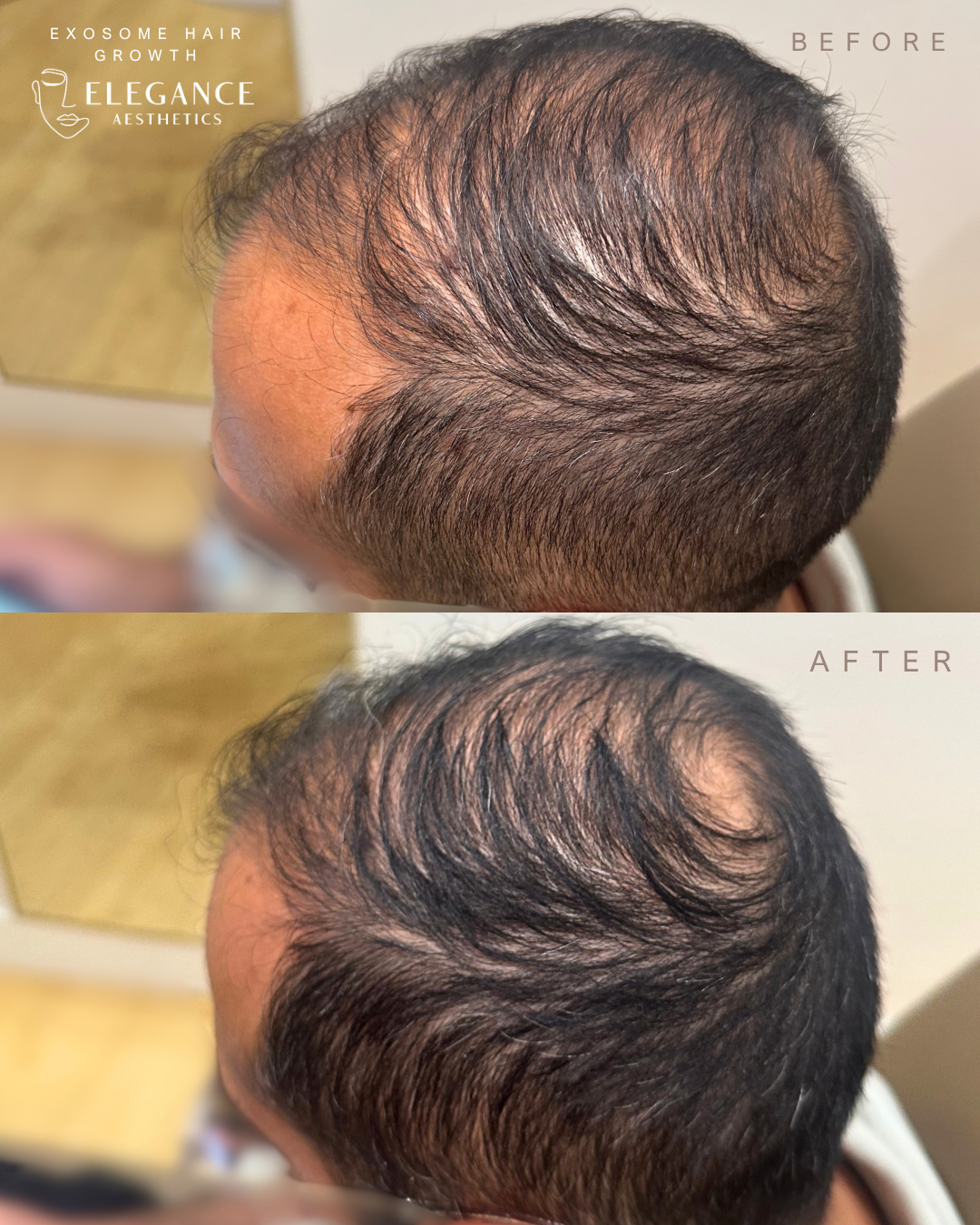
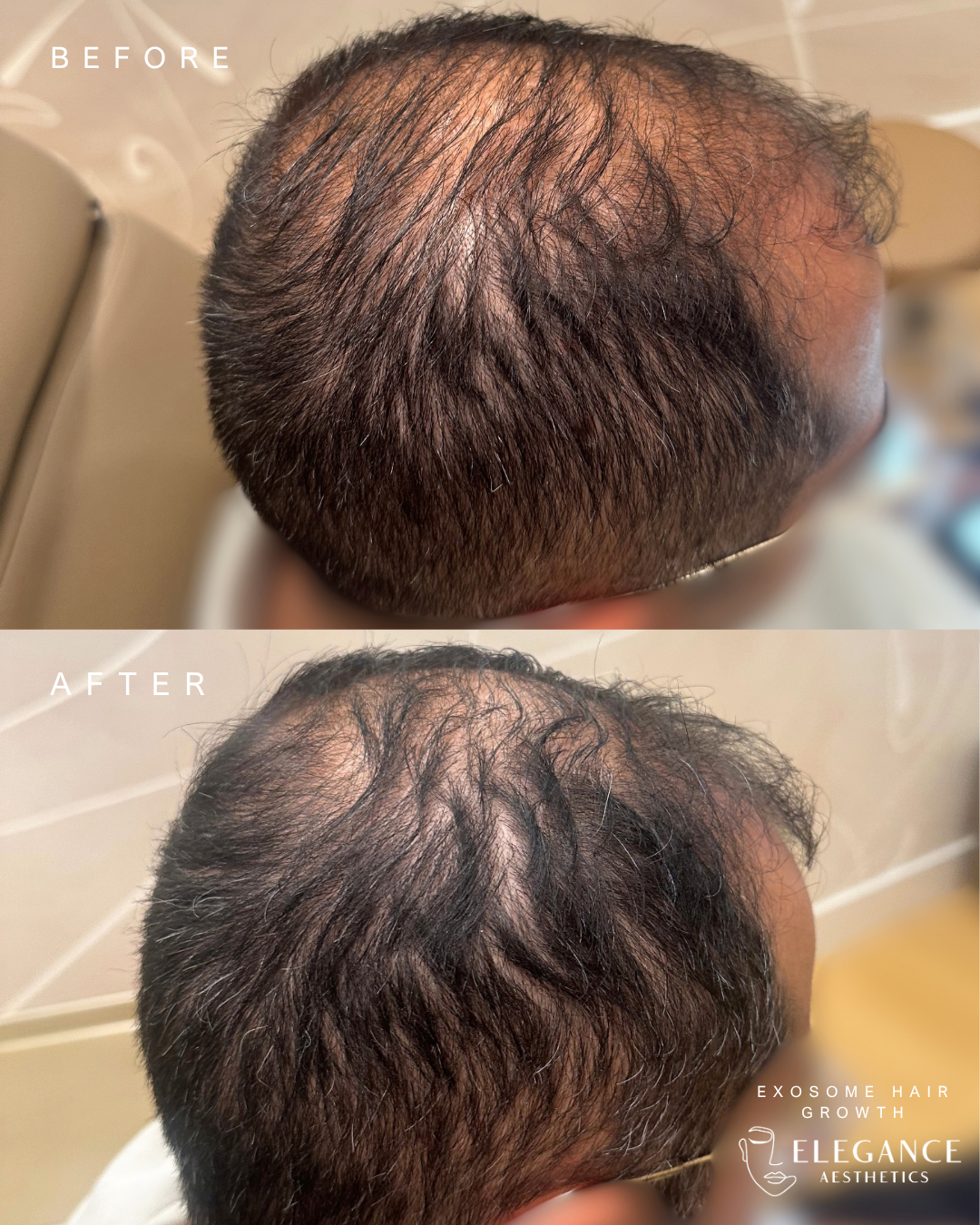
Current Promotions
This October, we’re banishing ghost lines with Xeomin at $11/unit (Reg. $12.50) and offering a 3-session Vampire Facial (PRP microneedling) package for $1,500 (Reg. $1,875). You can also shed the dead skin with our VI Peel at $300 each (Reg. $350) or Cosmelan at $800 (Reg. $950), plus get 10% off per vial of spider vein removal. – Book Now