What Is an IPL Laser Facial?
An IPL laser facial is often discussed by patients who want clearer, brighter-looking skin without a more aggressive resurfacing procedure. The name can sound slightly confusing because IPL stands for intense pulsed light, which uses broad-spectrum light rather than a traditional single-wavelength laser. Many people still use the phrase because the treatment feels similar in purpose: it uses energy to target visible skin concerns and support a more even complexion.
An IPL laser facial may help with sun spots, freckles, redness, visible capillaries, uneven tone, and signs of photoaging. It can also support smoother-looking texture for selected patients. The treatment works by sending pulses of light into the skin, where pigment and visible vascular concerns absorb the energy and fade gradually after treatment.
Elegance Aesthetics Spa offers IPL Laser Treatment with Lumecca Peak by InMode for patients who want a light-based treatment plan for pigmentation, redness, and skin clarity. A consultation can confirm whether IPL is suitable for your skin tone, recent sun exposure, and goals.
IPL Laser Facial at a Glance
An IPL laser facial is a light-based skin treatment that targets unwanted pigment and visible redness. It is commonly chosen for skin that looks uneven after sun exposure, pigmentation changes, or facial redness.
This treatment may help with:
- Brown spots, freckles, and sun-related pigmentation
- Redness, visible capillaries, and rosacea-related flushing in selected patients
- Uneven tone and a dull-looking complexion
- Fine texture concerns and large-looking pores
- Photoaging signs that make the skin look less clear
IPL is best for the right skin type and the right concern. A consultation matters because recent tanning, deeper skin tones, active infection, certain medications, and photosensitivity concerns can affect safety.
How IPL Works
IPL uses pulses of light that pass into the skin and target darker pigment or visible blood vessels. Pigment absorbs light energy, then the treated discoloration can darken, rise toward the surface, and fade over time. Visible vascular concerns can also respond as the light energy heats the targeted area.
The process is called selective photothermolysis. That means light is selected to target specific color-based concerns in the skin. In simpler terms, IPL is drawn to pigment and redness.
Unlike a traditional laser, IPL uses more than one wavelength of light. This makes it useful for treating a range of tone concerns in one treatment plan, provided the patient is a good candidate.
What Makes IPL Different From a Laser?
A laser usually uses one focused wavelength of light. IPL uses broad-spectrum light with filters that help target selected concerns. A laser IPL facial is often used as shorthand for light-based skin rejuvenation, but IPL is technically different from a traditional laser because it uses broad-spectrum light.
For patients, the practical difference is treatment planning. Some lasers are used for deeper resurfacing, hair removal, vascular lesions, or tattoo removal. IPL is often used for photofacial-style treatment, especially when the goal is to reduce visible sun damage, brown spots, redness, and uneven tone.
The right option should match the concern, skin tone, and downtime comfort level.
IPL Photofacial Benefits
An IPL photofacial can help create a clearer, more even-looking complexion when the concern is pigment or redness near the skin surface. Patients often ask about IPL after noticing sun spots, freckling, blotchy tone, or visible capillaries.
The treatment can be helpful for the face, neck, chest, or other suitable areas based on provider assessment. Many patients choose IPL because it can target multiple visible color concerns in one appointment series.
Texture may also look smoother as photoaging signs improve. IPL should not be treated as a cure for every skin concern. Deep wrinkles, severe laxity, active acne scarring, or deeper pigmentation may need a different plan.
What Lumecca Peak IPL Treatment Does
Lumecca Peak by InMode is an IPL platform used to target pigmented and vascular concerns. Treatment settings can be adjusted based on the area, pigment pattern, vascular concern, and skin response.
The goal is to break up visible discoloration and reduce the look of redness while supporting a clearer complexion. Brown spots may temporarily darken after treatment before fading. Redness can calm gradually as the treated vascular concern responds.
A planned series may be recommended. Pigmentation may respond faster than vascular concerns for some patients, but timing varies by skin condition and treatment area.
Who May Be a Good Candidate?
Good candidates often have fair to medium skin tones, visible sun damage, brown spots, freckles, redness, or superficial visible vessels. IPL works best when there is enough contrast between the target concern and the surrounding skin.
People with recent tanning, very dark skin tones, active infection, inflamed skin, photosensitivity disorders, or certain medication use may not be suitable. IPL can carry a higher risk of pigmentation changes or burns if the skin is too recently sun-exposed or if the wrong settings are used.
A consultation should review skin tone, medical history, medication use, sun exposure, and treatment goals before any light-based treatment.
What Happens During Treatment?
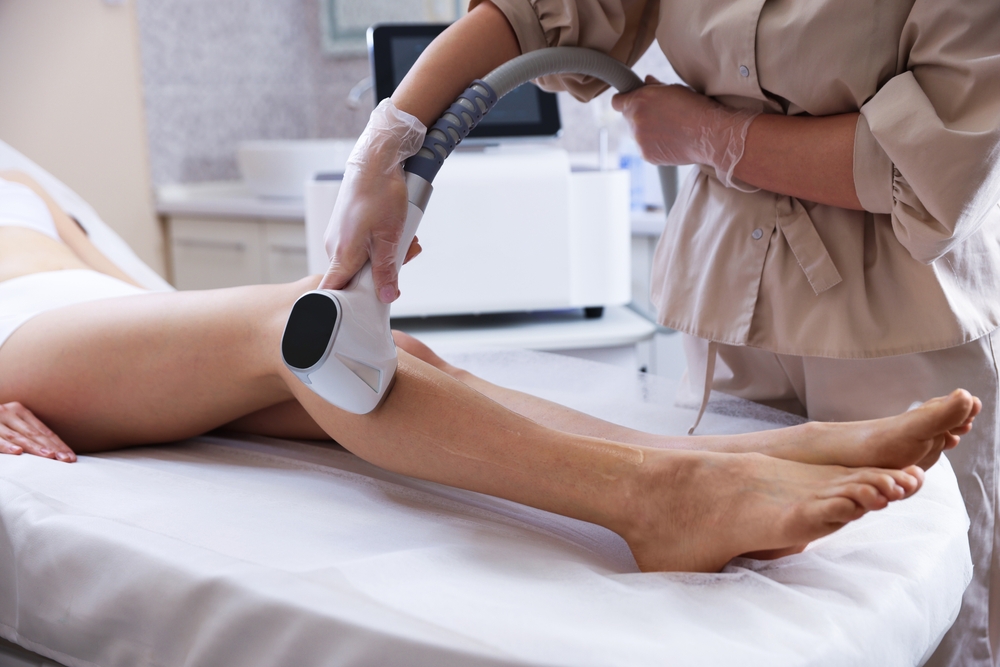
An IPL appointment usually includes skin assessment, cleansing, protective eyewear, gel application, and light pulses across the treatment area. You may feel a snapping or warm sensation as each pulse is delivered.
The treatment is usually manageable, but sensitive areas can feel sharper. Cooling and gel can help protect the skin surface during the session.
The appointment length varies by treatment area. A full-face session may take less time than larger areas such as chest or arms, but every plan should be based on the area being treated and the settings needed.
What Skin Looks Like After IPL
Skin may look red or slightly swollen right after an IPL laser facial. A warm feeling can happen too, similar to mild sunburn. These effects often settle within a short period, though recovery varies.
Pigmented spots may darken before they fade. This can look like tiny brown specks coming to the surface. Avoid picking or scrubbing treated spots while the skin is clearing.
Makeup may be allowed after treatment if your provider says the skin is ready. Gentle skincare and sun protection are usually central to aftercare.
How Many IPL Sessions May Be Needed?
Many patients need a series of IPL sessions rather than one treatment. Elegance Aesthetics Spa’s IPL treatment page notes that Lumecca Peak treatment often involves two to five sessions spaced several weeks apart.
The number of sessions can vary based on pigment depth, redness, skin tone, treatment area, sun history, and how the skin responds. Brown spots may fade sooner for some patients, while visible redness can need more time.
Maintenance may also be recommended, especially if sun exposure continues to create new pigment over time.
Preparing for an IPL Laser Facial
Preparation is a major part of IPL safety. Avoid tanning, heavy sun exposure, and self-tanner before treatment, based on provider instructions. Recently tanned skin can absorb too much light, which can increase burn and pigmentation risk.
Your provider may ask you to pause irritating skincare products for a short time before treatment. Share your medication list, skin history, cold sore history, recent procedures, and any sensitivity to light.
Arrive with clean skin and follow the pre-treatment instructions given during consultation.
Safety and Side Effects
IPL is a medical aesthetic treatment, so proper screening and trained treatment matter. Common effects can include redness, warmth, swelling, tenderness, and temporary darkening of pigment.
Less common risks include blistering, crusting, burns, pigmentation changes, scarring, infection, and herpes simplex flare-ups in susceptible patients. Eye protection is also essential because IPL should not be applied near unprotected eyes.
Call your provider if pain increases, blistering worsens, swelling becomes concerning, or the skin shows changes that feel unusual.
What IPL Cannot Treat
IPL can be a good fit for visible pigment and redness concerns, but it cannot correct every skin issue. Deep wrinkles, significant sagging, deeper melasma, raised scars, and certain medical skin conditions may need another treatment type.
Some pigment should be medically evaluated before cosmetic treatment. Any changing, irregular, bleeding, or suspicious spot should be checked by a medical professional before IPL.
A personalized plan may include IPL as one part of skin rejuvenation, paired with skincare, injectables, resurfacing, or other treatments when appropriate.
Book an IPL Laser Treatment Consultation
An IPL laser facial can help target sun spots, redness, visible capillaries, uneven tone, and photoaging concerns with light-based treatment. The best results come from proper candidacy, safe settings, skin preparation, and aftercare.
Elegance Aesthetics Spa offers IPL Laser Treatment with Lumecca Peak by InMode for patients who want a clearer, more even-looking complexion. Your consultation can review your skin tone, pigment concerns, redness, recent sun exposure, and treatment timeline.
Book an IPL Laser Treatment consultation at Elegance Aesthetics Spa today to discuss whether IPL is the right option for your skin.
Frequently Asked Questions
What is an IPL laser facial?
An IPL laser facial is a light-based treatment that targets pigment, redness, and uneven tone using intense pulsed light.
Is IPL the same as a laser?
No. IPL uses broad-spectrum light, while a traditional laser uses one focused wavelength. Many patients still use the phrase laser IPL facial.
What does an IPL photofacial treat?
An IPL photofacial may treat sun spots, freckles, redness, visible capillaries, uneven tone, and selected photoaging concerns.
Does IPL hurt?
IPL can feel like a warm snap against the skin. Most patients tolerate it well, though sensitivity varies by area and setting.
How long does redness last after IPL?
Redness and mild swelling often settle within a short period, though recovery varies by skin type, setting, and treatment area.
How many IPL treatments will I need?
Many patients need a series. Elegance Aesthetics Spa’s IPL page notes that Lumecca Peak treatment often involves two to five sessions.
Can IPL treat all skin tones?
No. IPL may carry higher risk for darker skin tones or recently tanned skin. A consultation should confirm candidacy.
Is there downtime after IPL?
Downtime is usually limited, but pigment may darken before fading. Gentle skincare and sun protection are important after treatment.
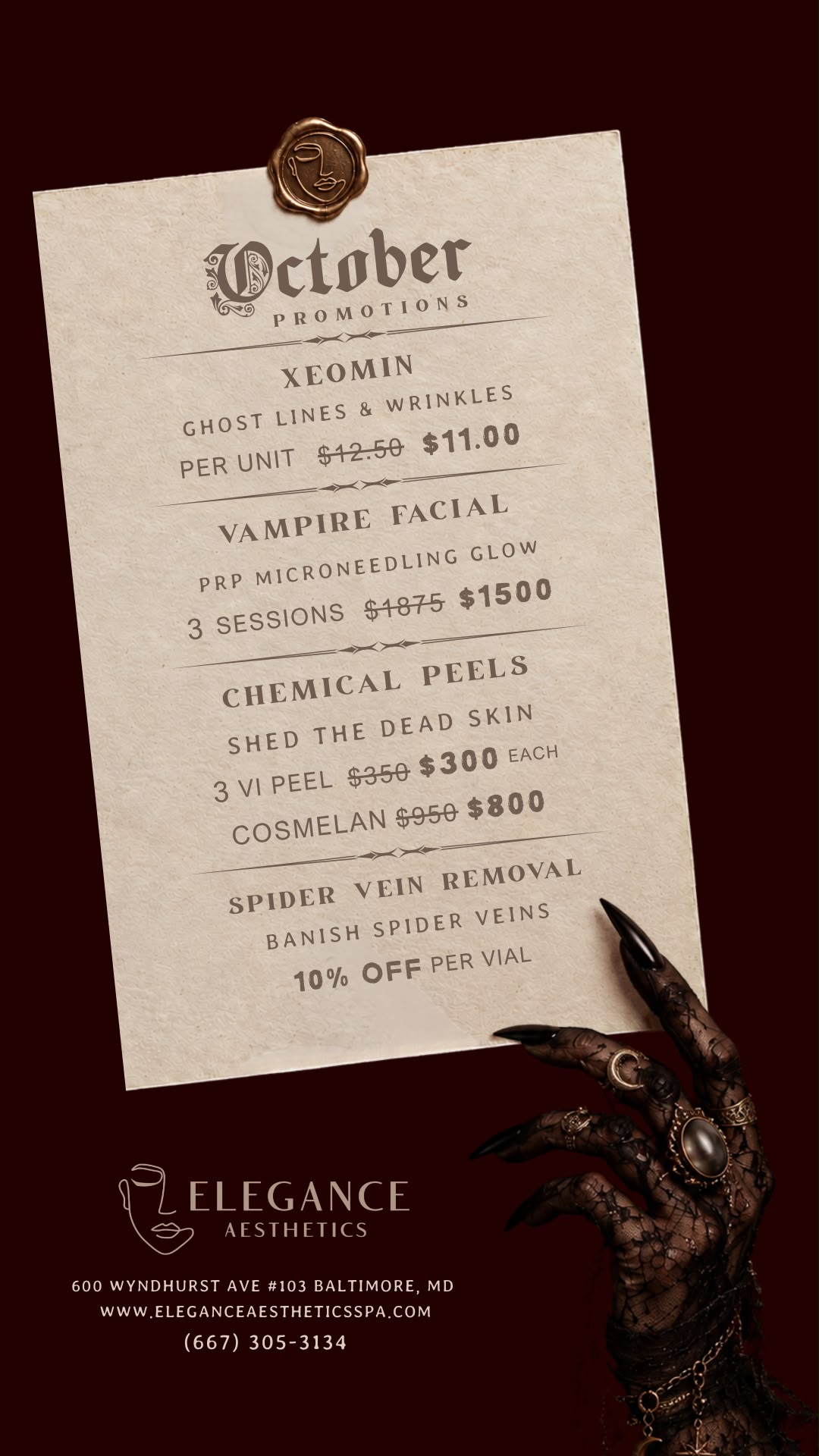
Current Promotions
This October, we’re banishing ghost lines with Xeomin at $11/unit (Reg. $12.50) and offering a 3-session Vampire Facial (PRP microneedling) package for $1,500 (Reg. $1,875). You can also shed the dead skin with our VI Peel at $300 each (Reg. $350) or Cosmelan at $800 (Reg. $950), plus get 10% off per vial of spider vein removal. – Book Now