
What Does Temple Filler Do?
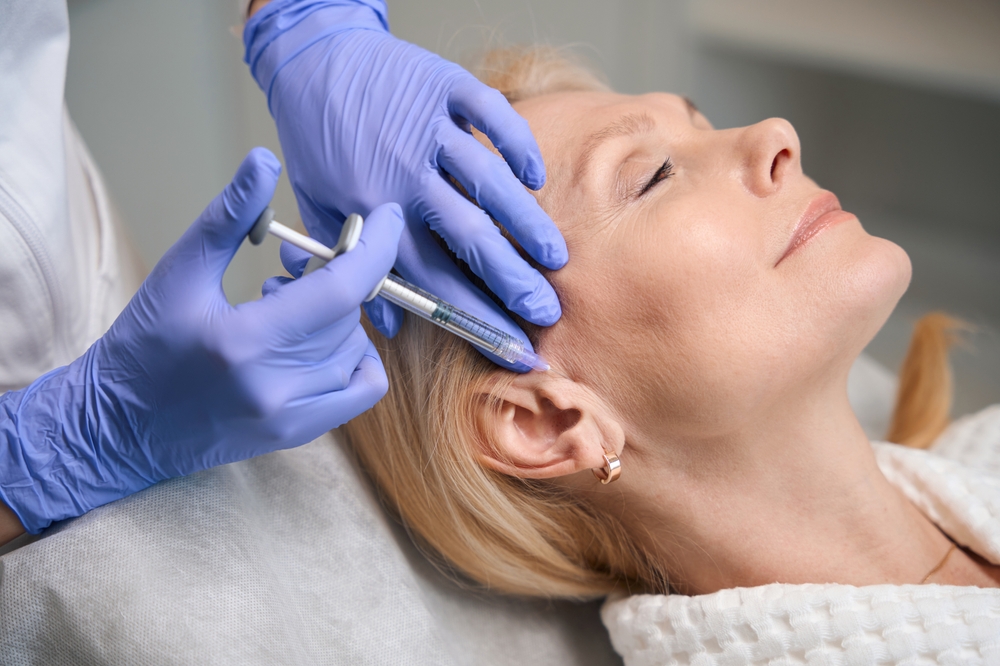
The temples can lose fullness with age, weight changes, or natural facial structure. When that happens, the sides of the forehead may look more hollow, and the upper face can seem sharper. Temple filler is used to replace some of that volume and smooth the area between the forehead and cheek.
The change is often subtle. Filling a hollow temple can soften a sunken look without making the face appear obviously fuller. It can also reduce the shadow that makes a hollow look deeper in certain lighting. In some people, restoring volume beside the brow can make the outer eye area look a little more open.
Dermal fillers in the temple need careful planning because this part of the face has important blood vessels and nerves. This guide explains what temple filler can change and why hollowing happens. It also covers recovery, results, and the safety points to know before considering filler.
What Does Temple Filler Do?
Temple filler adds volume to a hollow area at the side of the forehead. The aim is usually a smoother, softer contour rather than a dramatic change.
- It can soften visible temple hollows.
- It may create a smoother line between the forehead and cheek.
- It can make the upper face look less angular.
- It may give subtle support near the outer brow.
- It can improve balance when one temple looks more hollow than the other.
The result depends on your starting anatomy, the filler used, and how much volume is added.
Where Are the Temples on Your Face?
The temples on your face sit between the outer brow, hairline, and upper cheek. You can often feel the temporalis muscle there when you clench your teeth. Blood vessels and nerves run through several layers in this small area, so the anatomy is complex. A slight dip can be completely natural, while a deeper hollow may change the balance of the upper face.
Why Do Temples Become Hollow?
Temple hollowing can happen slowly, so you may notice it only after comparing newer photos with older ones. Age is one common reason, but natural anatomy and changes in facial fat can play a part too.
Facial Fat and Bone Change With Age
Fat pads can shrink or move as the face ages, while the bone beneath them also changes. Together, those changes can reduce support around the temples. The effect may stand out more in a lean face or beside a fuller cheek.
Some People Naturally Have Hollow Temples
Temple shape is partly genetic. Bone shape, muscle size, and the amount of fat in the area all affect how full the temples look. Someone can have a visible hollow at a young age without having lost facial volume.
A treatment plan should respect that natural structure. Adding too much filler can change the face more than intended.
Weight Loss Can Make the Area Look Deeper
A drop in facial fat can make temple hollowing more visible, especially after major weight loss. Other parts of the face may lose volume at the same time. If your weight is still changing, timing may be part of the treatment discussion.
What Changes Can Filler Create in the Temples?
The main purpose of temple filler is to restore volume where the area looks hollow. Since the temples sit beside the brow and forehead, added support can affect the way the upper face looks. The change is usually about contour and balance.
A Smoother Side Contour
A deep hollow can create a sharp dip between the forehead and cheekbone. Filler can soften that dip and create a gentler line through the side of the face. The result may look more noticeable at an angle than straight on.
Better Balance Between the Two Sides
One temple can be deeper than the other. Small differences are normal, but a larger difference may make the upper face look uneven.
Filler can soften that contrast by adding support where it is needed. The goal is better balance rather than perfect symmetry.
A Small Change Around the Outer Brow
The idea of using filler in temples to lift eyes comes from the support that restored volume can give near the outer brow. In some people, that can make the area look a little more open. The effect is subtle and varies with facial anatomy.
Filler does not tighten loose eyelid skin or create the same result as surgery. If heaviness around the eyes is your main concern, the cause needs to be assessed first.
What Type of Filler Is Used in the Temples?
Hyaluronic acid fillers are commonly used for temple hollowing, and some products have FDA approval for this area in adults over 21. Filler products differ in firmness, spread, and the support they give.
The choice depends on the depth of the hollow, the treatment layer, and the result being planned. Product choice is only one part of the process. The injector also needs to plan the amount and placement around the person’s anatomy.
What Happens During Treatment?
A good appointment starts with facial assessment rather than an injection. The injector looks at the temples from several angles and checks the brow, forehead, cheeks, and hairline. Previous filler, surgery, allergies, medicines, and past reactions can also affect the plan.
The skin is cleaned before treatment, and numbing may be used for comfort. Filler is then placed in a planned tissue layer. The exact method varies with the product and the person’s anatomy, so temple treatment should not follow one injection pattern for everyone.
What Does Recovery Look Like?
Mild swelling, tenderness, redness, or bruising can happen after dermal filler. The temples may feel firm or slightly sore at first, and one side can look more swollen than the other. These early changes usually improve over several days.
Follow the aftercare instructions given after treatment and avoid pressing the area unless you are told to do so. If pain gets worse instead of better, contact the treating provider.
How Long Do Results Last?
The length of the result varies with the product, amount, placement, and your metabolism. Some hyaluronic acid fillers used for temple hollowing can last a year or longer, but the result fades as the body breaks the filler down.
A review appointment is useful before adding more product. The face should be assessed again because the temples and nearby areas may have changed since the last treatment. Filling on a fixed schedule can lead to more product than the area needs.
What Are the Risks?
Most side effects after dermal filler are mild and temporary. Swelling, bruising, redness, tenderness, or small lumps can happen around the injection area and usually improve as the area settles.
The temples contain important blood vessels, so treatment in this area needs careful planning and strong knowledge of facial anatomy. Rare complications are possible with any filler treatment, which is why choosing an experienced medical injector is an important part of the process.
A thorough consultation should cover your medical history, past filler, and the result you want. Your injector can then explain the risks, expected recovery, and the signs that would need prompt attention after treatment.
Who Might Consider Treatment?
This treatment may appeal to an adult who has visible hollowing and wants a softer upper-face contour. It can also be considered when one side looks more hollow than the other.
Not every temple hollow needs treatment. Some people like their natural shape, and a slight dip may fit the rest of the face well. Looking at the forehead, brows, cheeks, and temples together can help avoid treating an area simply because a hollow is present.
Active skin infections and some medical conditions can mean filler needs to wait. Certain allergies or previous reactions also need to be discussed before any injection.
Book a Dermal Filler Consultation to Talk About Facial Volume
Filler can soften temple hollowing and create a smoother contour through the upper face. Restoring volume beside the brow may also change how open the outer eye area looks in some people. The size of that change depends on your anatomy and the reason the temple looks hollow.
At Elegance Aesthetics, a dermal filler consultation gives us time to assess facial volume, balance, and your goals. We can look at the areas that bother you and explain which filler options may fit your face.
Book a consultation with us if facial volume loss is something you want to address. We can build a plan around your features and the type of change you want.
Frequently Asked Questions
Is temple filler dangerous?
Temple filler is generally well tolerated when it is planned and performed by an experienced medical injector. As with any dermal filler treatment, temporary swelling, bruising, or tenderness can happen. A consultation allows the injector to assess your facial anatomy and explain the risks and benefits before treatment.
Can filler in the temples lift your eyebrows?
Restoring temple volume may give slight support near the outer brow in some people. The change is usually subtle and does not replace a brow lift or treatment for loose eyelid skin.
Can filler make the upper face look wider?
It can add some fullness at the sides of the upper face, but the aim is usually to soften a hollow. The amount used and your starting shape affect how noticeable the change is.
Can hyaluronic acid filler in the temples be dissolved?
Hyaluronic acid filler can often be dissolved with an enzyme called hyaluronidase. Dissolving treatment has its own risks, so the area should be assessed first.
How soon can you see results?
Added volume is visible right after treatment, but swelling can change the early shape. The result is easier to judge after that swelling settles.
Current Promotions
This October, we’re banishing ghost lines with Xeomin at $11/unit (Reg. $12.50) and offering a 3-session Vampire Facial (PRP microneedling) package for $1,500 (Reg. $1,875). You can also shed the dead skin with our VI Peel at $300 each (Reg. $350) or Cosmelan at $800 (Reg. $950), plus get 10% off per vial of spider vein removal. – Book Now