Xeomin vs Botox vs Dysport
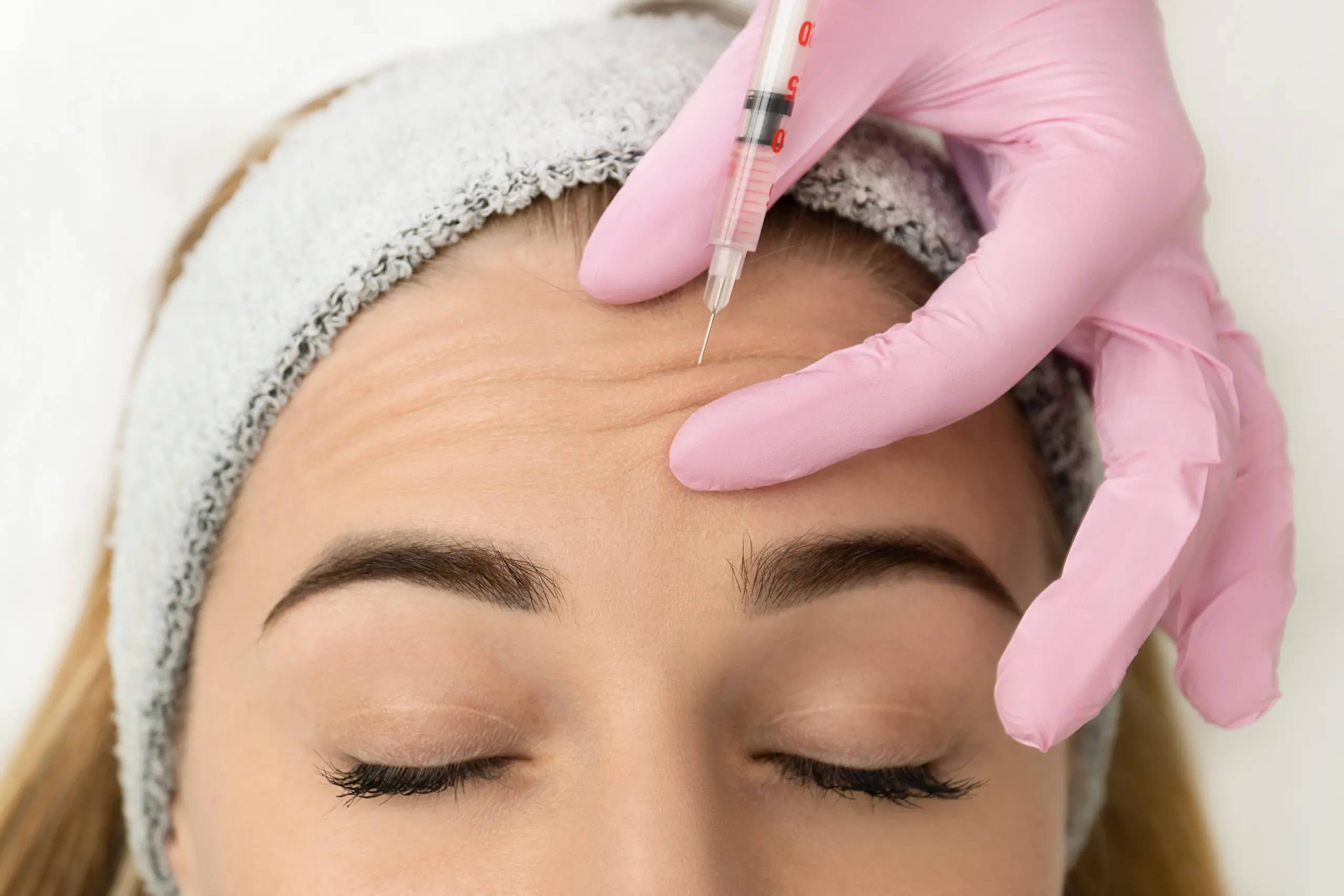
Choosing between neurotoxin treatments can feel confusing when the names sound similar, and the goals overlap. Botox, Xeomin, and Dysport are all injectable treatments used to soften expression lines by temporarily relaxing targeted muscles. They can help with forehead lines, frown lines, crow’s feet, and other movement-related concerns, but they are not identical products.
The main question usually comes down to formulation, response, price, units, and how your face moves. Botox has a long history in cosmetic use and broad name recognition. Xeomin is known for its purified formulation, free of accessory proteins. Dysport may spread more easily, which can be helpful for larger treatment areas such as the forehead. Results from all three are temporary, and the right choice should be based on your anatomy, treatment history, and aesthetic goals.
At Elegance Aesthetics Spa, neurotoxin treatments are planned around natural-looking expression softening, provider evaluation, precise placement, and follow-up care.
A Fast Comparison Before You Choose
For many patients, Xeomin vs Botox is less about one product being universally better and more about matching the neurotoxin to the treatment area, muscle strength, prior response, desired result, and preferred diffusion.
Here is the short comparison.
- Botox is a well-known neuromodulator often used for frown lines, forehead lines, crow’s feet, TMJ-related concerns, migraines, and excessive sweating.
- Xeomin contains the active botulinum toxin type A without accessory proteins, which is why it is often called a purified or “naked” injectable.
- Dysport is also a botulinum toxin type A product and may spread more broadly, making it a common option for larger areas.
- Most results last several months, but timing varies by product, dose, metabolism, muscle strength, and treatment area.
- Units are not interchangeable across every brand, especially when comparing Dysport with Botox or Xeomin.
A consultation is the right way to decide which option fits your face, treatment area, and goals.
The Main Formula Difference Between Botox and Xeomin
Both are neuromodulator injections made with botulinum toxin type A. They work by temporarily reducing the nerve signals that tell selected muscles to contract. When those muscles relax, the overlying skin can look smoother.
The formulation is the key difference. Botox contains the active ingredient with accessory proteins. Xeomin contains incobotulinumtoxinA without accessory proteins. Some patients like Xeomin because of its simplified formulation, especially if they have used neurotoxins before or want to discuss long-term treatment response.
After treatment, the visible result often reflects placement, dose, and facial anatomy as much as the brand chosen.
Planning a Natural-Looking Result
Botox vs Xeomin results can look natural when the treatment is planned carefully. A natural result usually means the lines soften while your face can still move appropriately. The goal is not a frozen appearance, but a result that matches your preferred level of movement.
Botox may suit patients who are familiar with the product or have had consistent results from prior visits. Xeomin may appeal to patients who prefer a purified formulation or want to talk through how their body has responded to neuromodulators over time.
Injection technique matters. Too much product, poor placement, or mismatched dosing can create heaviness or uneven movement with any neuromodulator. A thoughtful provider will assess muscle strength, facial balance, and your preferred level of movement before treatment.
How the Three Options Behave
Comparing Botox, Dysport, and Xeomin is helpful because each option can support a slightly different treatment plan. The product choice may affect precision, spread, onset, dose planning, and the final result.
Botox
Botox is often used for forehead lines, glabellar frown lines, crow’s feet, and select therapeutic concerns. At Elegance Aesthetics Spa, Botox treatments are tailored to aesthetic goals and may also help with migraines, TMJ-related discomfort, and hyperhidrosis.
Dysport
Dysport can produce visible results quickly for many patients and is often used for dynamic wrinkles, including forehead lines and crow’s feet. Dysport results typically last several months, and the product can be helpful for larger treatment areas.
Xeomin
Xeomin injections are used for forehead lines, frown lines, crow’s feet, and select medical concerns. At Elegance Aesthetics Spa, Xeomin may be discussed for patients who want a purified formulation and subtle expression softening.
How Xeomin and Dysport Compare
Xeomin vs Dysport often comes down to precision, spread, and formulation. Xeomin may be selected when a purified product is preferred or when the provider wants a more focused treatment pattern. Dysport may be selected for a broader area where diffusion can be helpful.
Dysport and Xeomin units are not equal. A larger number of Dysport units does not automatically mean a stronger treatment or a higher overall price. Dysport is measured differently, so the total unit count must be interpreted by brand.
Your provider can explain which product makes sense for the muscle group being treated. The forehead, frown area, crow’s feet, jawline, and neck can all call for different planning based on movement, spread, and desired precision.
Price and Treatment Area
Price can vary by provider, number of units, treatment area, promotions, and the amount of correction desired. A lower per-unit price does not always mean a lower total appointment cost because dose and brand conversion matter.
Botox and Xeomin are often priced in a similar unit structure, while Dysport typically uses a different unit scale. This is why comparing price per unit across all three products can be misleading.
The most useful price discussion happens during consultation. Your provider can assess the areas being treated, estimate the number of units, explain the product choice, and provide a clear cost estimate before injections begin.
Duration and Maintenance Timing
Many patients can expect treatments to last around three to four months, though individual response varies. Some people metabolize neurotoxins faster. Others maintain results longer after repeated treatments or with lower muscle strength.
Botox results may last three to six months, while Xeomin results often last three to four months, with some patients seeing longer improvement. Dysport commonly lasts several months as well.
Duration is affected by treatment area, dose, muscle activity, metabolism, exercise patterns, and the expressiveness of the area. Crow’s feet may fade sooner for some patients because the eye area moves often during smiling and squinting.
Safety and Screening
Xeomin, Botox, and Dysport are FDA-approved botulinum toxin type A products when used appropriately by a trained provider. Safety is closely tied to proper product sourcing, medical screening, dosing, sterile technique, and injector skill.
A good consultation should review pregnancy or nursing status, neuromuscular conditions, allergies to botulinum toxin products, active infections near the injection site, and medication history. These details help determine whether treatment is appropriate.
Side effects can include temporary redness, swelling, bruising, headache, heaviness, asymmetry, or eyelid droop. Rare serious symptoms need urgent medical attention. Choosing a qualified provider and following aftercare instructions lowers avoidable risk.
Units and Dose Planning
For some common cosmetic areas, Botox and Xeomin may use similar unit planning, but your exact dose should be personalized. Official Xeomin guidance lists 20 units for glabellar frown lines, and Botox Cosmetic labeling also uses 20 units for glabellar lines.
That does not mean every patient should receive the same number of units. Stronger muscles, prior treatment history, facial structure, and desired movement all affect dosing. Forehead lines, crow’s feet, brow position, and frown lines each need careful assessment.
Dysport uses a different unit scale, so a Dysport unit count should not be compared one-to-one with Botox or Xeomin.
Finding the Right Fit
The better choice is the one that aligns with your facial anatomy, treatment goals, product history, and provider’s recommendation. Botox may suit patients who want a familiar option with a long history of cosmetic use. Xeomin may suit patients who prefer a purified formulation. Dysport may suit patients treating larger areas or wanting a broader spread pattern.
No neuromodulator can replace good assessment. The same product can look soft and refined in one treatment plan and heavy in another if the dose or placement is wrong.
At Elegance Aesthetics Spa, treatment planning focuses on natural-looking results, precise injection areas, and a customized approach for each patient.
Choose the Neurotoxin That Fits Your Face
Xeomin vs Botox vs Dysport is a useful comparison, but the real decision is personal. Each option can soften dynamic wrinkles, but formulation, spread, onset, dosing, and treatment history can shape the recommendation.
A consultation gives your provider the chance to assess your muscle movement, discuss pricing, explain how long results may last, and recommend the most suitable option for your goals.
Book your neurotoxin consultation at Elegance Aesthetics Spa today to compare Botox, Dysport, and Xeomin injections with a provider who can guide your treatment plan.
Frequently Asked Questions
What is Xeomin vs Botox?
Xeomin and Botox are both botulinum toxin type A injectables used to relax targeted muscles and soften expression lines. Xeomin has no accessory proteins.
Botox vs Xeomin, which looks more natural?
Both can look natural with careful dosing and placement. The injector’s assessment, technique, and treatment plan have a significant impact on the final result.
Botox vs Dysport vs Xeomin, which works fastest?
Dysport and Xeomin may show changes within a few days for many patients. Botox often begins within several days, with fuller effects around one to two weeks.
Xeomin vs Botox price, which costs more?
Pricing varies by provider, area, dose, and promotions. Botox and Xeomin may be priced similarly, while Dysport uses a different unit scale.
Xeomin vs Botox, which lasts longer?
Many patients see results for around three to four months with either product. Duration can vary with dose, muscle strength, metabolism, and treatment area.
Xeomin vs Botox, which is safer?
Both are FDA-approved when used appropriately by trained providers. Safety relies on medical screening, correct dosing, genuine product, and skilled injection technique.
How many units of Xeomin vs Botox are needed?
Unit needs vary. For glabellar lines, both Botox Cosmetic and Xeomin labeling recommend a 20-unit dose, but personalized treatment may differ.
Xeomin vs Dysport, what is the main difference?
Xeomin has a purified formulation without accessory proteins. Dysport uses a different unit scale and may spread more broadly in certain treatment areas.
Current Promotions
This September at Elegance Aesthetics, we’re excited to offer PRF EZGel for $850 (originally $1200) to add natural volume, plus 20% off laser hair removal when you purchase 6 or more sessions. We’re also featuring Morpheus8 skin tightening for just $799 per session and our Semaglutide GLP-1 program at half off—only $225 for your first month to support your healthy weight loss journey.- Book Now